Belgravia Furniture Removals Expert Tips for Narrow Streets
Moving furniture in Belgravia is a different kind of challenge. The streets can be tight, the parking is rarely generous, and one badly timed delivery can slow everything down. If you are searching for Belgravia furniture removals expert tips for narrow streets, you probably already know the feeling: elegant buildings, limited access, and a move that needs to be handled carefully rather than casually. Truth be told, that is exactly where thoughtful planning pays off.
This guide brings together the practical things that actually help on moving day: how to measure access, choose the right vehicle, protect furniture, work around timing restrictions, and reduce the risk of damage or delays. It is written for real homes, real streets, and the little surprises that always seem to appear at the worst moment. A smart move in Belgravia is rarely about force. It is about timing, sequence, and calm execution.
Why Belgravia furniture removals expert tips for narrow streets Matters
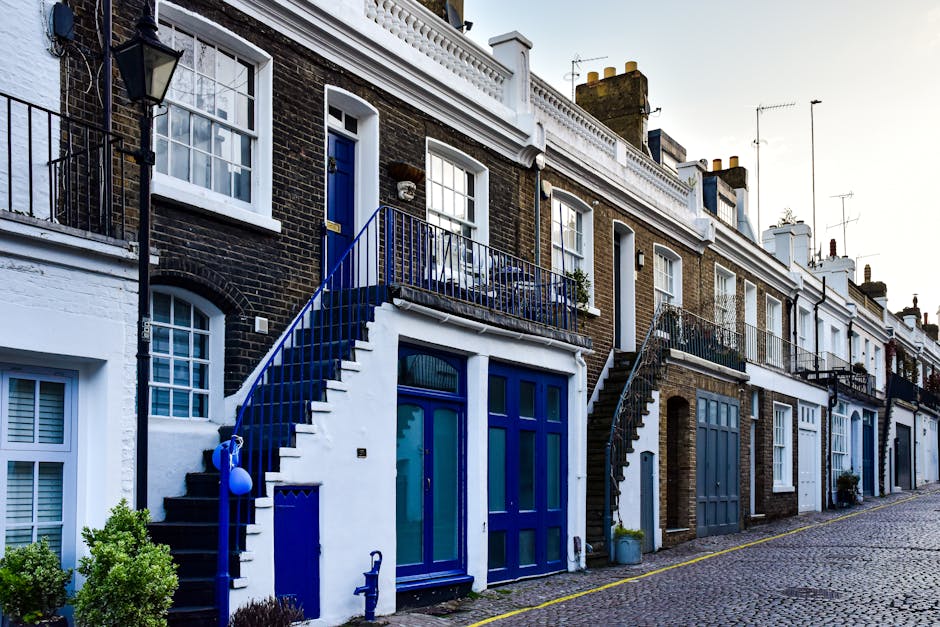
Belgravia is known for handsome terraces, mews properties, basement entrances, and streets that can be awkward for larger vehicles. That is lovely to live in, less lovely when you are trying to move a sofa down a stairwell while someone is waiting to pass with a pram or a delivery bike. Narrow streets change the whole shape of the job.
When access is tight, the risk is not just inconvenience. There can be delays, blocked loading points, awkward turns, fragile items meeting unforgiving walls, and more manual carrying than expected. A move that would be straightforward on a wider road needs more sequencing in Belgravia. You often have to think in short legs: vehicle to doorway, doorway to landing, landing to room. Simple, but not easy.
That is why expert planning matters. It helps you avoid rushed lifting, keep stress down, and reduce the chance of damage to both furniture and property. If your move includes specialist pieces, awkward antiques, or bulky wardrobes, the difference between a chaotic move and a calm one often comes down to whether access was properly assessed before anyone arrived.
For many people, the goal is not just to move items from one place to another. It is to do it neatly, safely, and without upsetting neighbours or breaching building rules. In a place like Belgravia, that matters.
How Belgravia furniture removals expert tips for narrow streets Works
A successful narrow-street move usually starts well before the van turns up. The process is part planning, part measurement, part common sense. You begin by looking at the property from the outside as if you had never visited it before. Where can a vehicle stop? How far is the carry? Are there steps at the front door? Is there a lift, and if so, is it large enough for the items? Small questions, but they add up.
The next stage is matching the job to the right type of vehicle and crew. In tight Belgravia streets, a smaller removal van is often more practical than a large truck. A bigger vehicle may technically hold more, but if it cannot get close enough, you lose time and sometimes create a worse access problem than the one you were trying to solve. A compact approach can genuinely be faster.
Then comes the loading sequence. The most efficient removals are usually packed in the order the items will come off, not just the order they were found in the house. That means heavy items are secured properly, fragile pieces are wrapped and separated, and anything needed first at the new property is easy to reach. It sounds obvious. Yet on moving day, obvious things are the first to get forgotten.
Finally, the team has to work in a way that suits the street. That may mean splitting loads, using door protection, moving carefully around parked cars, and keeping communication clear with the client. It is less dramatic than people imagine. Mostly it is steady, patient work with a lot of short decisions made well.
Key Benefits and Practical Advantages
There is a real advantage to planning narrow-street removals properly. You save time, but not in a rushed, messy way. More importantly, you reduce uncertainty. Here is what that looks like in practice.
- Less damage risk: careful route planning means fewer knocks, scrapes, and last-minute pivots around corners.
- Better time control: if the vehicle size and loading point are chosen well, the job runs more predictably.
- Lower physical strain: fewer awkward carries and fewer repeated lifts make the move easier on everyone.
- Cleaner neighbour relations: quieter, faster loading helps avoid blocked entrances and unnecessary friction.
- Better protection for high-value furniture: antiques, upholstered pieces, mirrors, and fitted items all benefit from gentler handling.
There is also a mental benefit, and it is not small. When you know the route, the schedule, and the backup plan, the move feels manageable. You can breathe a bit. That matters on a day that already asks a lot of people.
If you are comparing moving support, it is sensible to review pricing and quotes alongside the access conditions. A lower headline price can become less appealing if the team has not accounted for difficult entry points, extra carrying distance, or the need for a smaller vehicle.
Who This Is For and When It Makes Sense
This approach is especially useful for anyone moving furniture in Belgravia where space is tight and timing is important. That includes flat moves, townhouse moves, basement-to-basement relocations, and business premises with awkward loading access. It also applies if you are only moving a few large items. One heavy dining table can be more troublesome than a whole room of boxes. Strange but true.
You will benefit most if you are dealing with:
- period properties with narrow internal stairs
- streets with limited waiting or loading space
- heavy, awkward, or valuable furniture
- properties with strict building access rules
- short-notice moves where the schedule is tight
- clients who want a tidy, low-disruption move rather than a rushed one
It also makes sense if you are moving out of a well-kept home where floors, walls, and banisters need to be treated with respect. In Belgravia, many properties have character features that are beautiful but not very forgiving. A scratched handrail or chipped wall can be a frustrating way to remember moving day.
If you need broader moving support as part of a house move, the home moves service and house removals options are worth considering, especially when the property layout adds complexity.
Step-by-Step Guidance
Here is a straightforward way to approach a furniture removal in a narrow Belgravia street without making it harder than it needs to be.
- Survey the access. Check the entrance, stairwells, doorway widths, parking options, and the distance from vehicle to property.
- Measure the awkward pieces. Do not rely on memory. Measure sofas, wardrobes, mattresses, headboards, tables, and anything with fixed handles or legs.
- Confirm the route inside. A piece may fit through the front door but fail at the turn on the stairs. That happens a lot more than people expect.
- Choose the right vehicle. A well-sized removal van or moving van may be more effective than a larger truck in a tight street.
- Prepare protective materials. Blankets, straps, wrap, covers, and floor protection should be ready before lifting begins.
- Decide the loading sequence. Put the most awkward items at the back of the loading plan, unless they need to come out first at the destination.
- Protect the building as you go. Use doorway guards or blankets where needed, and keep an eye on corners and bannisters.
- Keep communication simple. One person should coordinate the lift calls, route choices, and parking updates.
- Allow buffer time. In narrow streets, little delays happen. A parked car, a tight turn, or a delivery driver can change the rhythm completely.
- Check each item on arrival. Look for damage, reposition items carefully, and avoid dragging anything across floors.
A good move often feels almost unremarkable. That is the point. Smooth is what you want. Not dramatic, not hurried, just smooth.
Expert Tips for Better Results
There are a few practical things that make a surprisingly big difference in Belgravia. These are the details people miss when they only think about the van and not the street.
1. Treat the street like a workspace
Do not assume you can just arrive and sort it out. In narrow streets, every metre matters. If the driver can pre-check the street and loading point, even briefly, the crew will usually save time later. The same applies to building access. A five-minute look can prevent a forty-minute headache.
2. Break the move into smaller decisions
A lot of moving stress comes from trying to solve everything at once. Instead, think in stages: vehicle positioning, indoor protection, item removal, loading, then delivery. One step at a time is not glamorous, but it works.
3. Use the shortest safe carry route
The shortest route is not always the quickest if it includes a sharp turn, a narrow stairwell, or a doorway with a low frame. Sometimes a slightly longer route is safer and faster overall. Experienced movers usually choose the route that reduces lifting stress, not the one that looks neat on paper.
4. Reserve the easy access for the hard items
If there is a lift or a wider exit point, use it for the most awkward furniture first. That way, your team is not exhausted before the heaviest item appears. It sounds small, but after the third stairwell carry, everybody notices.
5. Keep one room clear for staging
A temporary staging area helps tremendously. It allows smaller items to be grouped safely before they go out, instead of clogging the corridor. In a Belgravia home, that could be a hallway, a drawing room, or even a protected landing area. The exact room matters less than the discipline of using one.
If you are moving delicate items or need help with disassembly and reassembly, a broader removal services approach can be more practical than trying to piece everything together yourself on the day.
Common Mistakes to Avoid
Most difficult moves do not fail because of one huge error. They go wrong because of several small assumptions stacked together. The good news? Most of them are avoidable.
- Using the wrong vehicle size: too large and you cannot access the street comfortably; too small and you waste time on extra trips.
- Measuring only the furniture, not the route: a sofa's dimensions mean little if the staircase turn blocks it.
- Ignoring door furniture and handles: a few centimetres matter, and handles can catch unexpectedly.
- Leaving packing until the last minute: loose cables, lamps, and fittings slow things down and increase breakage risk.
- Forgetting building rules: some properties have access windows, lift booking requirements, or quiet-hour expectations.
- Not planning for the weather: rain on a narrow pavement can make surfaces slippery fast. London weather loves a bit of drama.
- Trying to carry too much at once: it saves nothing if you strain a back or bump a wall.
Let's face it, moving day tempts people into improvisation. But in a narrow Belgravia street, improvisation is usually the most expensive plan in disguise. Better to slow down the first ten minutes than rush into the first mistake.
Tools, Resources and Recommendations
Good tools do not replace skill, but they make the work safer and more controlled. For narrow-street furniture removals, the essentials are practical rather than fancy.
- Furniture blankets: protect finishes, corners, and polished surfaces.
- Straps and securing ties: help keep pieces stable during transit.
- Floor protection: especially useful in hallways, entranceways, and communal areas.
- Corner guards: handy when turning larger pieces through tight internal spaces.
- Labels and markers: useful for identifying room destinations and fragile components.
- Basic tool kit: for removing legs, shelves, mirror fixtures, or modular fittings where suitable.
From a service perspective, it helps to work with a team that is clear about planning, security, and protection. You can review details on insurance and safety and the company's health and safety policy before booking. That gives you a better sense of how carefully the move will be handled.
If you are comparing whether you need just a driver and vehicle or a fuller moving team, the man and van option can suit smaller loads, while a more complete removal company approach may be better for large, awkward, or high-value furniture. There is no virtue in choosing the biggest option available if the job does not need it.
Law, Compliance, Standards, or Best Practice
Furniture removals in Belgravia are not just about lifting and driving. There are practical compliance and best-practice issues to respect, especially when streets are narrow and the margin for error is small.
Drivers should only park or load where it is lawful and appropriate, and should be mindful of local restrictions, access times, and any building management requirements. In many shared properties, you may also need to follow house rules about lifts, lobbies, and protection of communal areas. That is normal, not a nuisance. Well-run buildings do this for a reason.
Safe lifting matters too. Good moving practice means using appropriate techniques, avoiding overloading, and breaking down items when possible. In the UK, employers and contractors are generally expected to work safely and consider manual handling risks. You do not need a lecture about that; you just need movers who take it seriously.
It is also sensible to think about insurance and clear terms. If something unexpected happens, the process should be straightforward and fair. Checking the provider's terms and conditions before booking is a simple habit that can save a lot of confusion later. The same goes for payment and security if you want to understand how the booking is handled.
For environmentally conscious moves, you may also want to look at recycling and sustainability. If there are items you no longer need, rehoming or responsible disposal is often the cleaner choice. It keeps clutter down and avoids moving things twice. Nobody wants to pay for a chair they already know they will never use again.
Options, Methods, or Comparison Table
Choosing the right moving method in a narrow Belgravia street often comes down to access, item size, and the level of support you want on the day. Here is a simple comparison.
| Option | Best for | Strengths | Limitations |
|---|---|---|---|
| Man and van | Small moves, single rooms, a few bulky items | Flexible, practical, often easier in tight streets | May not suit large multi-room moves |
| Removal van | Medium-sized furniture loads | Good balance of capacity and access | Can still be tight if the street is very restricted |
| Full removal service | Heavier, more complex, or high-value moves | More hands, more protection, less stress | Usually more costly than a basic hire |
| Specialist packing and unpacking support | Fragile items, busy schedules, premium homes | Reduces breakage risk and saves time | Best used as part of a bigger plan |
For smaller or more agile moves, man with van and movers services can fit the access constraints well. For bigger or more demanding jobs, look at house movers or even packing and unpacking services if the move is already feeling stretched.
Case Study or Real-World Example
Imagine a couple moving from a Belgravia terrace into a nearby apartment. They have a marble-top table, a double bed, two armchairs, and several boxes of kitchenware. The street is narrow, parking is limited, and the front entrance sits a short way from the nearest stopping point. Nothing outrageous, but enough to complicate the day.
Instead of sending a large vehicle and hoping for the best, the move is planned around a smaller van that can get closer to the property. The table is wrapped, the legs are removed, and the bed frame is taken apart before the team arrives. A corridor is kept clear for staging, and the first load out is the furniture that needs the most care. Simple choices, but they save a lot of shuffling.
Halfway through, there is a brief pause because another vehicle blocks part of the access. That happens. The team does not force the issue or start wrestling items through a bad gap. They wait a few minutes, rework the order, and continue once the path is clear. The move finishes without damage, and the final room setup is done with the pieces in sensible positions rather than dumped in a pile. Nothing flashy. Just competent, calm work.
That is the real lesson. Narrow-street moving is rarely about heroics. It is about making the right small calls early enough that nobody has to improvise under pressure.
Practical Checklist
Use this checklist before moving day. A quick run-through can prevent a lot of tiny disasters.
- Measure every large item, including height, width, depth, and any removable parts.
- Check doorways, stair turns, lift sizes, and hallway pinch points.
- Confirm where the vehicle can legally stop or wait.
- Book the right vehicle size for the street, not just the load.
- Label fragile items and separate hardware into sealed bags.
- Protect floors, corners, and bannisters before lifting begins.
- Prepare blankets, straps, wrap, and basic tools in advance.
- Tell the mover about any unusually heavy, antique, or awkward furniture.
- Keep a clear path through the property on the day.
- Allow extra time for access, parking, and neighbour traffic.
- Review safety, insurance, and terms before confirming the booking.
- Set aside a room or area for staging items before loading.
Quick takeaway: in narrow Belgravia streets, the best move is usually the one that looks slightly over-prepared before it starts and pleasantly uneventful once it is under way.
Get a free quote today and see how much you can save.
Conclusion
Belgravia furniture moves need a bit more thought than the average relocation, especially where streets are narrow and access is tight. But that does not mean they need to be stressful. With the right vehicle, careful measuring, sensible loading, and a team that understands the realities of central London access, the whole process becomes much more manageable.
The smartest approach is usually the calmest one. Measure properly, protect the property, keep the route simple, and choose support that fits the job rather than overcomplicating it. You will feel the difference on the day. So will your furniture.
And if you are standing in a doorway at 7:30 in the morning wondering whether that wardrobe will ever make the turn, take a breath. It usually does, provided the plan was sensible in the first place.
Frequently Asked Questions
What makes furniture removals in Belgravia different from other areas?
Belgravia often has narrower streets, tighter parking, and properties with stairs, basements, or awkward access points. That means planning matters more than brute force. A move that seems simple on paper can become tricky if the van cannot stop close enough or a sofa will not make the corner.
Should I choose a small van or a larger removal vehicle?
It depends on both the load and the street. In many narrow Belgravia roads, a smaller van is easier to position and can reduce carry distance. A larger vehicle may be better for capacity, but only if it can legally and practically access the property without creating a bigger problem.
How do I know if my furniture will fit through the staircase?
Measure the widest and tightest points on the route, not just the item itself. Pay attention to corners, handrails, low ceilings, and door handles. If the furniture is modular or can be dismantled, that often helps a lot. When in doubt, measure twice. Then measure again, just to be safe.
Do I need professional help for a few large items only?
Yes, often you do. A single heavy wardrobe, marble table, or oversized sofa can be more difficult than a room full of boxes. Professional movers can handle the lifting, route planning, and vehicle positioning more efficiently, especially where the street is narrow.
What should I prepare before moving day?
Measure furniture, clear corridors, label fragile items, and check access restrictions. It also helps to separate screws, legs, and fittings in clearly marked bags. A little prep goes a long way, and moving day will feel much less chaotic.
Is parking a big issue in Belgravia removals?
Yes, parking and stopping space are often major factors. That is why a good access check matters so much. If the vehicle has to park too far away, the move becomes slower and harder on both the furniture and the people carrying it.
What if my building has lift booking rules or access windows?
Then those rules should be factored into the move plan from the start. Confirm timings with building management and give the mover the details early. It is much better to schedule around the building than to discover the rules after the van has arrived.
How can I reduce the risk of damage to walls and floors?
Use floor protection, blanket-wrap furniture, and keep a clean carry path. Experienced movers also slow down at corners and protect door frames where needed. A cautious first pass is usually better than trying to rush a large item through a tight gap.
Are packing and unpacking services useful for narrow-street moves?
They can be very useful, especially if access is limited and you want the day to run smoothly. Proper packing reduces breakage risk, and organised unpacking helps furniture and boxes end up where they should instead of becoming a second job later.
How far in advance should I book a Belgravia furniture removal?
As early as possible if you can, particularly if your move involves specific building access, a limited loading window, or large furniture. Good planning gives the mover time to match the right vehicle and crew to the job, which usually leads to a smoother day.
What should I look for in a removal provider for a narrow street?
Look for clear communication, sensible vehicle choices, awareness of access issues, and straightforward terms. It also helps if they can explain how they handle safety, insurance, and loading in tighter spaces. Confidence is useful. Clarity is better.
Can I include a furniture collection with a move?
Often yes, especially if the timing and access are compatible. If you are collecting a single item or a small set of pieces, a service like furniture pick up may be appropriate. It is worth mentioning the item size and street access when you enquire so the plan matches the reality.